What Is The Difference Between Transverse And Longitudinal Waves Ks3
Olivia Luz


Travels only in solids.
However none of the particles are transported along a longitudinal wave. The movement of the particle is along the direction of the wave. Can travel through all states of matter. Consists of troughs and crests.
In a longitudinal wave the displacement of the particles happens parallel to the direction the wave travels. A longitudinal wave cannot be polarized while a transverse wave can be polarized. The movement of the particle is perpendicular to the direction of wave. It contains refractions and compressions.
Longitudinal acts only in one dimension or plane while transverse waves acts in two dimensions. In the diagram the compressions move from left to right and energy is transferred from left to right. Longitudinal wave is made up of compressions and rarefactions while transverse wave is made up of crests and troughs. Animations are used to illustrate the difference between longitudinal and transverse waves.
RELATED ARTICLE :
Furthermore one major difference between longitudinal and transverse wave is with regards to the displacement of particles. Students should be able to sketch both transverse and longitudinal waves. All ks3 waves videos.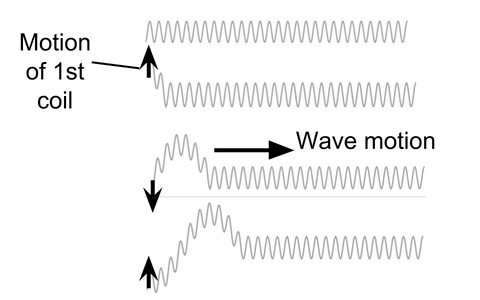




Difference Between Longitudinal And Transverse Wave With Its Practical Applications In Real Life

Ks3 Physics Waves Longitudinal And Transverse Teaching Resources

1eof8yu1voibbm

Image Result For Transverse And Longitudinal Waves Longitudinal Wave Sample Resume Waves

What Are Longitudinal Transverse Waves Definition From Seneca Learning
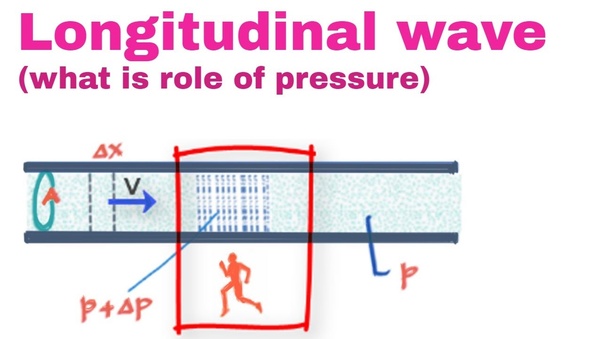
What Is The Difference Between Longitudinal And Transverse Waves Quora

Introduction To Waves Teaching Resources

Transverse And Longitudinal Waves Gcse Physics Aqa Revision Study Rocket
Https Www Hoddereducation Co Uk Getattachment 8b537d4d 1711 4fc1 B3e8 97fc1f286e03 9781510462342 Aqa Ks3 Science Poster Pdf Lang En Gb
Source : pinterest.com


